How AI Speaker Tracking is Revolutionizing Podcast Editing
Subhankar Dey
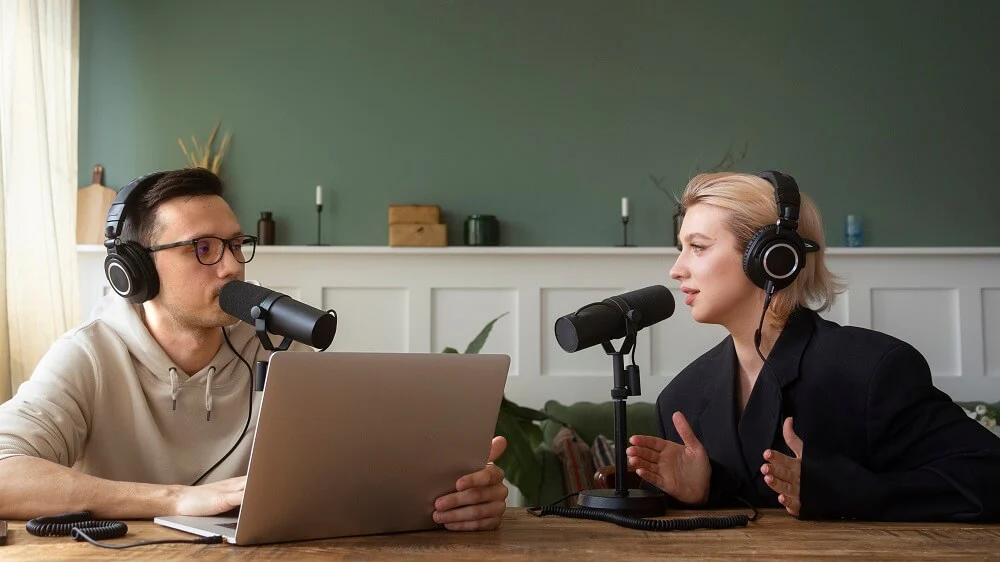
In the rapidly evolving landscape of content creation, artificial intelligence has become the cornerstone of efficiency and innovation. Among its many applications, AI speaker tracking stands out as a game-changing technology that's reshaping how podcasters, video creators, and content professionals approach multi-speaker content production. This technology automatically follows the active speaker, keeping them centered and in focus throughout the conversation.
The Challenge of Multi-Speaker Video Content
Traditional multi-speaker video production has always been a complex, resource-intensive process. Camera operators or editors would manually track speakers, adjusting framing and switching between angles to keep the active speaker in view. This manual approach required multiple cameras, skilled operators, and extensive post-production work. The result? High costs, longer production times, and the constant risk of missing key moments or creating jarring transitions between speakers.
How AI Speaker Tracking Works
Modern AI speaker tracking systems combine computer vision, audio analysis, and machine learning to intelligently follow active speakers in real-time. The technology analyzes audio to identify who's speaking, then uses facial recognition and motion tracking to keep that person centered in frame. Advanced algorithms predict speaker transitions, creating smooth camera movements that feel natural and professional. The system can handle multiple speakers, adapt to different room layouts, and even adjust framing based on the number of people in view.
Real-World Applications and Benefits
For podcast video producers, AI speaker tracking eliminates the need for a dedicated camera operator, making professional multi-camera productions accessible to solo creators and small teams. Interview content automatically reframes to show the person speaking, creating dynamic footage that keeps viewers engaged. Panel discussions and webinars benefit from intelligent framing that adjusts based on speaker activity, ensuring every participant gets appropriate screen time. The technology works seamlessly with both physical PTZ cameras and post-production software, offering flexibility across different production workflows.
The Impact on Production Workflow
Teams using AI speaker tracking report dramatic improvements in production efficiency and output quality. What previously required a multi-person crew can now be handled by a single operator or run completely autonomously. Production costs decrease by up to 60% while maintaining broadcast-quality results. Content creators can focus on facilitating great conversations rather than managing technical details. The consistent, professional framing elevates production value, making content more competitive in an increasingly quality-conscious market.
Looking to the Future
As AI technology continues to advance, speaker tracking systems are becoming even more sophisticated. Next-generation features include predictive framing that anticipates who will speak next, emotion-aware framing that adjusts based on conversation intensity, and integration with teleprompters and presentation software. We're also seeing the emergence of AI directors that can automatically select optimal camera angles, create picture-in-picture compositions, and even generate highlight reels based on speaker engagement patterns. These innovations are democratizing professional video production, making it accessible to creators of all sizes.
Conclusion
AI speaker tracking represents more than just a technological advancement—it's a fundamental shift in how we produce multi-speaker video content. By automating camera movements and framing decisions, it empowers creators to produce professional, engaging content without large crews or extensive technical expertise. As this technology becomes more accessible and sophisticated, we can expect to see a new wave of high-quality video podcasts, interviews, and panel discussions that rival traditional broadcast production. The barrier to entry for professional video content has never been lower, and AI speaker tracking is leading the charge.