Why Automated AI Captioning is Essential for Modern Content
Vishal Bansal
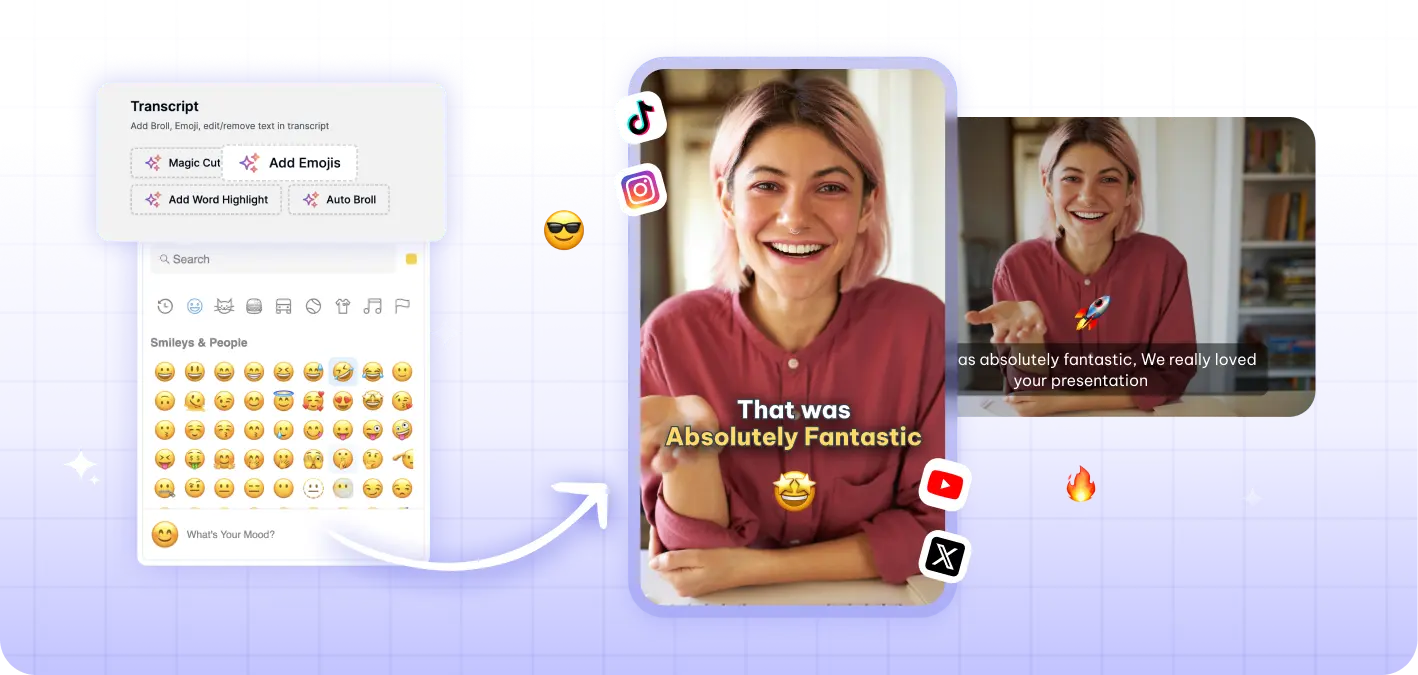
In today's content-saturated digital landscape, automated AI captioning has evolved from a nice-to-have feature to an absolute necessity. Whether you're a solo creator, a marketing team, or an enterprise media company, implementing automated captioning isn't just about compliance or accessibility—it's about maximizing reach, engagement, and discoverability while making your content inclusive to all audiences.
The Accessibility Imperative
Over 430 million people worldwide have disabling hearing loss, and billions more consume content in sound-sensitive environments like public transportation, offices, or late at night. Captions make your content accessible to these audiences, but the benefits extend far beyond accessibility compliance. Studies show that 80% of viewers are more likely to watch a video to completion when captions are available, regardless of hearing ability. This is because captions provide context, clarify speech in noisy environments, and help non-native speakers better understand content.
SEO and Discoverability Benefits
Search engines cannot watch videos, but they can read text. Captions provide a rich, keyword-dense transcript that search algorithms can index, dramatically improving your content's discoverability. Videos with captions see an average of 40% increase in views from search. Additionally, caption files create more opportunities for your content to appear in voice search results, featured snippets, and related content recommendations. In an era where organic reach is increasingly competitive, captions give you a significant SEO advantage.
How Modern AI Captioning Works
Today's AI captioning systems use sophisticated neural networks trained on diverse datasets covering multiple languages, accents, and speaking styles. These systems achieve accuracy rates exceeding 95% in optimal conditions, automatically handling punctuation, speaker changes, and even technical jargon. Advanced systems go beyond basic transcription to include features like automatic formatting, profanity filtering, and even emotional context recognition. The technology continuously learns and improves, becoming more accurate with each use.
Engagement and Retention Impact
Data consistently shows that captioned content significantly outperforms non-captioned content across all engagement metrics. Videos with captions see 12% longer watch time on average, 26% higher call-to-action click-through rates, and 80% higher social media shares. This is partly because captions enable viewers to consume content in more contexts—during commutes, in meetings, or in any situation where audio isn't available. Captions also improve comprehension and retention, making your message more memorable and actionable.
Implementation Best Practices
Successfully implementing automated captioning requires more than just turning on a feature. Best practices include reviewing and editing automatically generated captions for accuracy, ensuring proper formatting and readability, timing captions to match natural speech patterns, and styling captions to complement your brand aesthetic. Consider offering multiple language options for global audiences, and always test your captions across different devices and platforms to ensure consistent quality. The investment in quality captioning pays dividends in audience satisfaction and content performance.
Conclusion
Automated AI captioning represents the convergence of accessibility, technology, and smart content strategy. It's no longer sufficient to create great content—modern creators must ensure that content is accessible, discoverable, and engaging across all contexts and audiences. By embracing automated captioning as a core component of your content production workflow, you not only make your content more inclusive but also dramatically improve its performance, reach, and impact. In 2026 and beyond, captions aren't optional—they're essential.